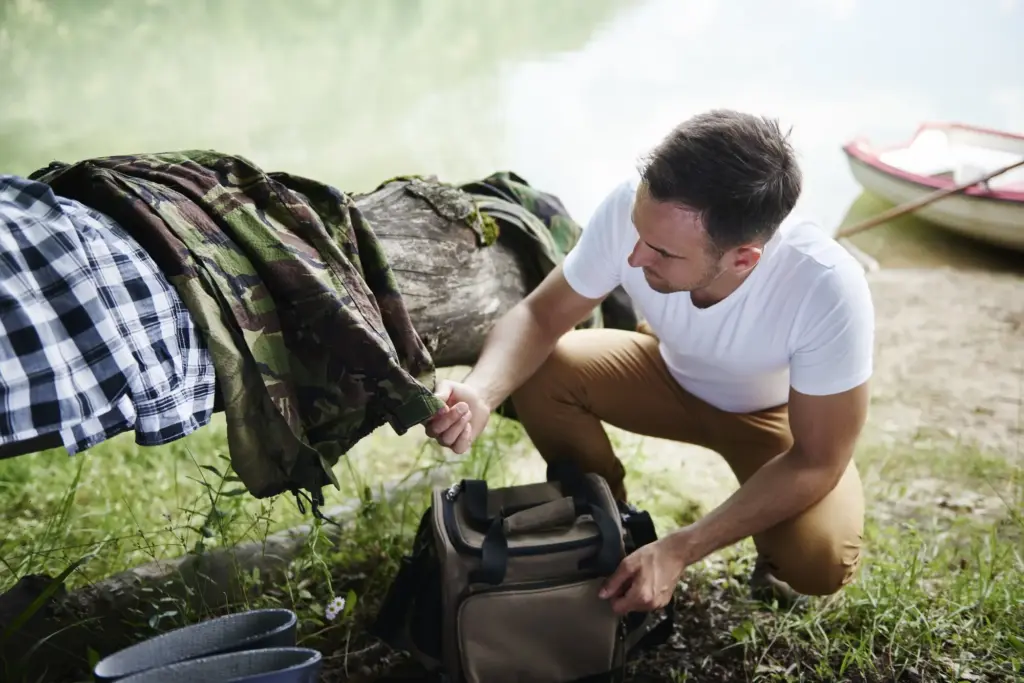
Glide, Trek, and Sway: Shoreline Journeys with Hammock Pauses

Today we dive into paddle-and-hike combos that blend kayaking along quiet shorelines with restorative hammock rest stops tucked beneath welcoming trees. Expect practical planning tips, safety insights, gear wisdom, and heartfelt stories that celebrate unhurried edges of water and trail. Whether you crave sunrise solitude, mid-forest shade, or sunset reflections, you’ll discover how to connect strokes, steps, and swaying breaths into one fluid, memory-rich adventure.

Plan a Seamless Water-to-Trail Day

A graceful day begins with smart timing and an eye for maps that reveal calm coves, soft landings, and nearby footpaths. Check local access points, parking constraints, and any shoreline regulations that might shape your launch and landing. Balance distances between paddling legs and hiking loops, leaving generous windows for hammock breaks. When schedules flex with wind, tides, or lake chop, serenity rises, letting every transition feel purposeful rather than rushed or improvised.

Self-Rescue Essentials on Open Water

Practice re-entries in controlled conditions, testing paddle floats, sling techniques, and partner assists until movements become calm habit. Rehearse scenarios with loaded gear, because dry bags shift and complicate balance when stress rises. Confirm your bilge pump, whistle, light, and towline are reachable. Dress for immersion temperatures, not air predictions. The water will always speak honestly about preparedness, and your comfort grows in direct proportion to humble, repeated drills that respect its voice.

Shoreline Etiquette and Tree Care

Select trees with healthy trunks, appropriate spacing, and no fragile undergrowth that might suffer beneath foot traffic. Use wide, tree-friendly straps to protect bark and cambium layers, keeping anchors low impact and clean. Avoid hanging over sensitive plants, unstable soil, or popular paths. Pack all scraps and leave the spot looking wonderfully unremarkable, as though no hammock ever swayed there. Stewardship magnifies peace, reminding future wanderers that beauty remains strongest where care quietly lingers.

Gear That Multiplies Comfort

Lightweight choices help every transition feel easy, inviting longer shoreline rambles with effortless swaying interludes. A stable kayak, protective PFD, and a paddle matched to your cadence reduce fatigue noticeably. Dry bags guard warm layers, snacks, and a compact hammock setup that deploys in minutes. Tree-friendly suspension systems, bug nets, and underquilts extend comfort through fickle weather. Gear should never shout; it should simply disappear into the experience, quietly amplifying confidence, rest, and delight.

Routes and Moments That Linger

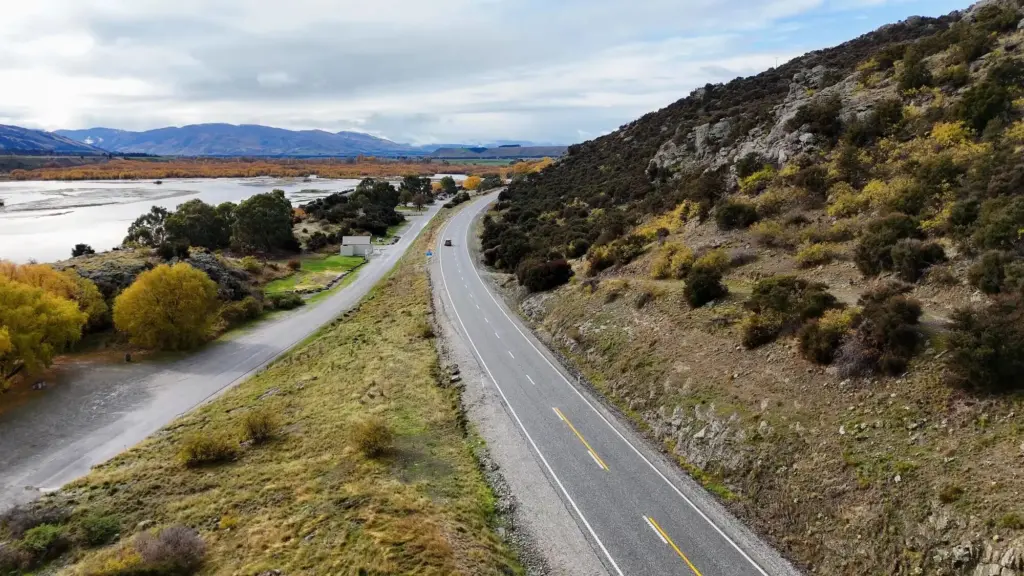
Memories take root when simple scenes feel perfectly timed: dawn glass that mirrors pink clouds, a gentle climb under cedar shade, and a hammock rocking while loons call across a widening cove. Keep routes modest and meaningful, focus on edges where habitat thrives, and pause whenever curiosity tugs your sleeve. Let miles serve moments rather than dominate them. Your journal will swell with tiny details that ultimately outshine statistics, reshaping how you measure satisfying days outside.

Food, Water, and Gentle Campcraft

{{SECTION_SUBTITLE}}

Smart Snacks Between Strokes and Steps

Blend salty crunch for electrolytes, dried fruit for quick sugars, and slow-burning nuts or bars for staying power. Segment portions in small bags so you can eat while drifting or strolling without unpacking the world. A thermos of soup or tea comforts during windy transitions. Mind portion sizes; overeating before a crossing dulls focus. The right little bites keep curiosity bright, making it easier to notice otter tracks, wing shadows, and changing water colors.

Minimal Cooking, Max Enjoyment

If you carry a stove, set it responsibly on a stable, low-impact surface away from driftwood and dry grasses. Choose simple meals that hydrate quickly and clean easily, using limited water for both cooking and cleanup. When fire restrictions or conditions argue against flames, welcome no-cook options that still feel special. The hammock makes a perfect dining nook, encouraging slow bites, attentive conversation, and quick catnaps that turn a simple lunch into something quietly remarkable.

Find Your People and Paddle Buddies

Join local meetups, conservation groups, and paddling clubs that respect access rules and habitat rhythms. Partners help with shuttles, route ideas, and essential check-ins while weather changes. Volunteer for shoreline cleanups between hammock breaths, letting stewardship mingle with camaraderie. Ask mentors to review your packing system, then share a favorite cove in return. Community replaces guesswork with shared wisdom, and every laugh on the landing makes the next early alarm pleasantly easier to answer.

Train Small, Improve Big

Schedule tiny drills that fit real life: ten minutes of strokes in calm water, a few careful re-entries monthly, a brisk hill loop after dinner. Log sensations, not just numbers, then refine posture, cadence, and footwork. Add gentle strength work that supports shoulders and hips, preventing imbalances from repeating across miles. Over time, small habits build durable confidence, turning transitions fluid and letting the hammock welcome a body that is capable, curious, and gloriously unhurried.

Share Stories, Maps, and Respect

Post reflections, route sketches, and gear lessons learned, inviting thoughtful questions rather than quick applause. Offer precise safety notes and broad location hints, protecting vulnerable habitats from digital crowds. Celebrate quiet victories, like the first effortless re-entry or a nap that erased stress. Encourage comments with open-ended prompts, and invite readers to trade favorite shoreline arcs and reliable hanging trees. In this exchange, attention deepens, friendships form, and the water-to-forest rhythm becomes happily contagious.