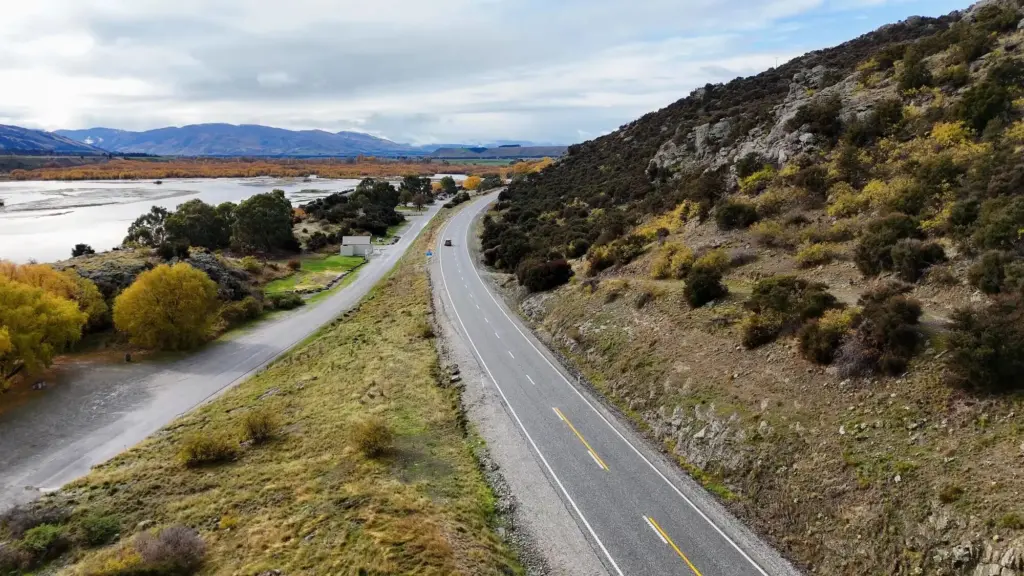
Follow the Water, Find Your Quiet Sky

Slip past the crowded boardwalks and follow the hush where water meets pine. We’re setting out to explore Hidden Lakeside Loops and Hammock Hangouts, blending practical know-how with field stories, stewardship tips, and gentle gear wisdom so your next shoreline circuit and swaying rest feel effortless, safe, and deeply restorative.

Circling Quiet Shores Without Leaving Footprints

Lakeside circuits reveal secret coves, piney breezes, and soft light that lingers over mirrored water. Plan routes that skim the contour above fragile reeds, respect seasonal closures, and tread on durable surfaces. With smart navigation, small groups, and quiet steps, you’ll discover hush-filled loops that feel wild yet welcoming, returning with memories rather than tracks and learning to read the land so each turn becomes a respectful conversation with shoreline and sky.

Stringing Comfort Between Kind Trees

Straps, Spacing, and the Gentle Thirty Degrees

Look for trees twelve to eighteen feet apart, with trunks wider than your forearm and crowns free of dead branches. Use tree-friendly straps at least one inch wide, then adjust suspension for roughly a thirty-degree angle. A structural ridgeline around eighty-three percent of hammock length helps repeat a comfy sag. Sit-test before fully committing, keep your center low, and confirm anchors rest on living wood, not loose bark or questionable knots.

Bark-Safe Choices and Leave No Trace Kindness

Skip ropes and hardware that bite; choose wide polyester straps that spread load and minimize abrasion. Avoid soft-barked or young trees, and never screw or nail into living wood. Step lightly around roots, keep gear compact, and pack your snack crumbs and micro-trash. If regulations prohibit hammocks, switch to a ground setup with a pad. Your hammock’s comfort is sweetest when the trees remain unmarked, strong, and ready to shelter birds tomorrow.

Warmth, Bugs, and a Satisfying Sway

Lakes exhale chill at dusk, so pair your hammock with an underquilt or insulated pad to block convective cooling. A bug net turns twilight into bliss, while a light top quilt beats the bulky sleeping bag. Pitch a tarp low if showers loom, yet leave a clear view to moonlit ripples. Manage condensation with airflow, stake corners wide, and practice takedowns before storms so your comfort survives gusts and midnight surprises.

When the Lake Makes Its Own Sky

When nocturnal inversions trap cool air near water, dawn lays a silver quilt across coves. Visibility dips, sounds carry, and sweat chills quickly. Move slower, add a wind layer, and mind slick roots. Track the dew point; if temps flirt close, expect clammy straps and damp leaves. Patience rewards you: as mist thins, the shoreline returns, and your loop reveals driftwood sculptures glowing like secrets the morning almost kept to itself.
Long stretches of open water invite wind to gather force, then shove it ashore in playful, sometimes pushy bursts. You’ll hear the change first: wavelets hiss, reeds tattle, and your hat thinks about leaving. Choose hangs behind natural windbreaks—low ridges, boulders, or dense pine. Angle your tarp edge toward prevailing gusts, and keep lines slightly elastic. Walking the loop, tuck into inland spurs when whitecaps start to wink too eagerly.
Storm lines can creep fast; if thunder follows lightning in under thirty seconds, take it seriously. Drop metal trekking poles, avoid lone trees, ridge crests, and exposed shore. If safe shelter beckons inland, go. Pack a compact tarp you can pitch low, but never ride out lightning beneath a prominent trunk. After the squall, let branches shed their loads before rehanging, then walk on, newly humbled by the sky’s persuasive vocabulary.

A Dawn Loop, A Dusk Sway

Stories stitch memory to place, teaching in ways diagrams can’t. One quiet morning loop can reveal how reed beds hide side paths or how loons dictate rest stops. One evening sway can teach patience with bugs, gratitude for straps, and tenderness toward old pines. Walk with curiosity, linger with care, and you’ll carry home more than photos: you’ll bring back habits that keep these hushed edges hushed for all who follow.

Footprints That Vanished at the Reeds

I rounded a cove where prints dissolved into a watercolor of mud and cattail shadows. Instead of forcing passage, I climbed to a sandy knob, checked the map, and found a faint bench above the slough. A heron lifted, scolding my hurry. Minutes later the main path returned, dry and welcoming, as if the lake had winked and said, kindly, remember: the higher line was always the wiser one today.

Loons, Stars, and a Quiet Cup

After sunset, I strung the hammock between two red pines, low and careful, straps wide and kind. Loons stitched their tremolo across the bay while steam curled from a small mug. The tarp framed Orion, and ripples tapped time beneath me. I slept warm with an underquilt, woke once to owls, then drifted again, grateful for trees that felt like friends and a lake that kept my secrets gently.

Kindness Packed Out With the Candy Wrapper

Near the trailhead, a bright wrapper winked from fern shade. I pocketed it, along with a fishing line snagged around a root. Small gestures ripple outward: fewer critters harmed, fewer complaints from neighbors, more trust from rangers. When we leave a shoreline tidier than we found it, our privilege to loop and sway there gains another season, and the next hiker feels invited into shared, unspoken stewardship.

Knots, Bearings, and a Gentle Sag

Skill spares struggle. A few reliable knots, a feel for bearings, and a practiced hang transform guesswork into grace. Learn to judge distances between trees, gauge slope for comfortable lay, and verify return paths before curiosity turns meandering into wandering. Tuck small repair bits where you’ll actually remember them. With habits anchored in rehearsal, lakeside circuits feel lighter, and your hammock welcomes you like a familiar seat waiting by the window.

The Becket, the Bowline, and a Quick Taut-Line

Practice on a backyard branch or a sturdy post until muscle memory takes the lead. A bowline makes dependable fixed loops, the Becket hitch pairs well with continuous loops, and a taut-line offers tidy tarp tension. Tie, load, untie, repeat—then test with gloves when cold dulls fingers. When rain drums or wind heckles, you’ll smile at ropes that behave, gear that adjusts smoothly, and a setup that feels delightfully inevitable.

Bearings, Landmarks, and Loop Confidence

Before the reeds swallow footprints, name landmarks: a leaning birch, a rust-orange boulder, a notch in the far ridgeline. Take a bearing to the car, note the back-azimuth, and drop mental breadcrumbs at junctions. Save offline maps, but travel as if batteries might nap. Counting paces between features turns return legs simple, even if fog drifts in. Confidence grows not from certainty, but from small, practiced methods that work anyway.

Water Close, Thirst Closer

Shorelines tempt with clear reflections yet still demand care. Draw from moving inlets or deeper reaches, prefilter sediment, and treat water with a reliable method suitable for local conditions. Cook on stoves, not fires, and keep kitchens far from fragile banks. Manage scents thoughtfully, protect wildlife habits, and store food well away from hammocks. With smart hydration, tidy cooking, and calm routines, lakes remain mirrors of patience rather than messengers of regret.

Filtering What Looks Perfectly Clear

Clarity can mislead. Choose a trusted filter or purifier aligned with regional risks, and backflush regularly so flow stays lively. Avoid scooping from still coves blooming with algae; reach past the scum line or ladle mid-channel from a rock or log. Let silt settle before filtering, and carry electrolytes for long, humid circuits. Good water habits protect your energy, your health, and your appreciation for the lake’s shimmering invitation.

Shoreline Kitchens Without Scars

A small stove on rock beats fire rings and ash every time. Keep pots away from moss and duff, catch micro-trash in a zip bag, and strain food bits so dishwater travels far from shore. Choose quiet utensils, dim headlamps, and voices soft enough that frogs resume their chorus. When you leave, the only clue should be your full belly and a memory of steam rising against a watercolor horizon.

Critters, Smells, and a Smart Hang

Respect local guidance: in bear country, use canisters or approved hangs; elsewhere, keep odors sealed and well away from your sway. Suspend food twelve feet up and six feet out from the trunk, or lock it down in a can. Never stash snacks in the hammock. A clean camp keeps wildlife wild, gear unchewed, and nights peaceful, so morning coffee tastes like gratitude rather than a lesson learned the crinkly way.

Sharing Without Oversharing

Trail Mentions That Protect Fragile Places

Instead of dropping exact pins, describe access types, terrain clues, and permit processes. Point readers to ranger stations, local clubs, and trail associations that maintain paths. Emphasize capacity limits, seasonal closures, and shoreline restoration efforts. A place is more than a set of coordinates—it’s a community of care. Share enough to inspire, not to crowd, so the next visitor meets birds instead of bottlenecks and finds quiet still available to them.

Gatherings That Teach and Restore

Host small hangs where everyone learns strap etiquette, knot basics, and how to scout windbreaks. Pair each meetup with a ten-minute micro-cleanup, then log invasive plants you spot for local groups. Story swaps, tarp clinics, and shared cocoa make friendships easy, while stewardship makes trust durable. These gatherings seed a culture where comfort, safety, and kindness travel together like companions circling the same bright, beckoning rim of water.

Join the Conversation and Return for More

Tell us where you found calm without dropping a pin, what knot finally clicked, or which dawn felt stitched from silver. Comment with questions, subscribe for fresh circuits and hammock tricks, and nudge a friend to try wide straps. Your voice helps shape a gentler trail culture, where learning flows both ways and each visit persuades the lake to keep whispering yes to careful wanderers like you.